




Introducing new microplastics nets from NHBS
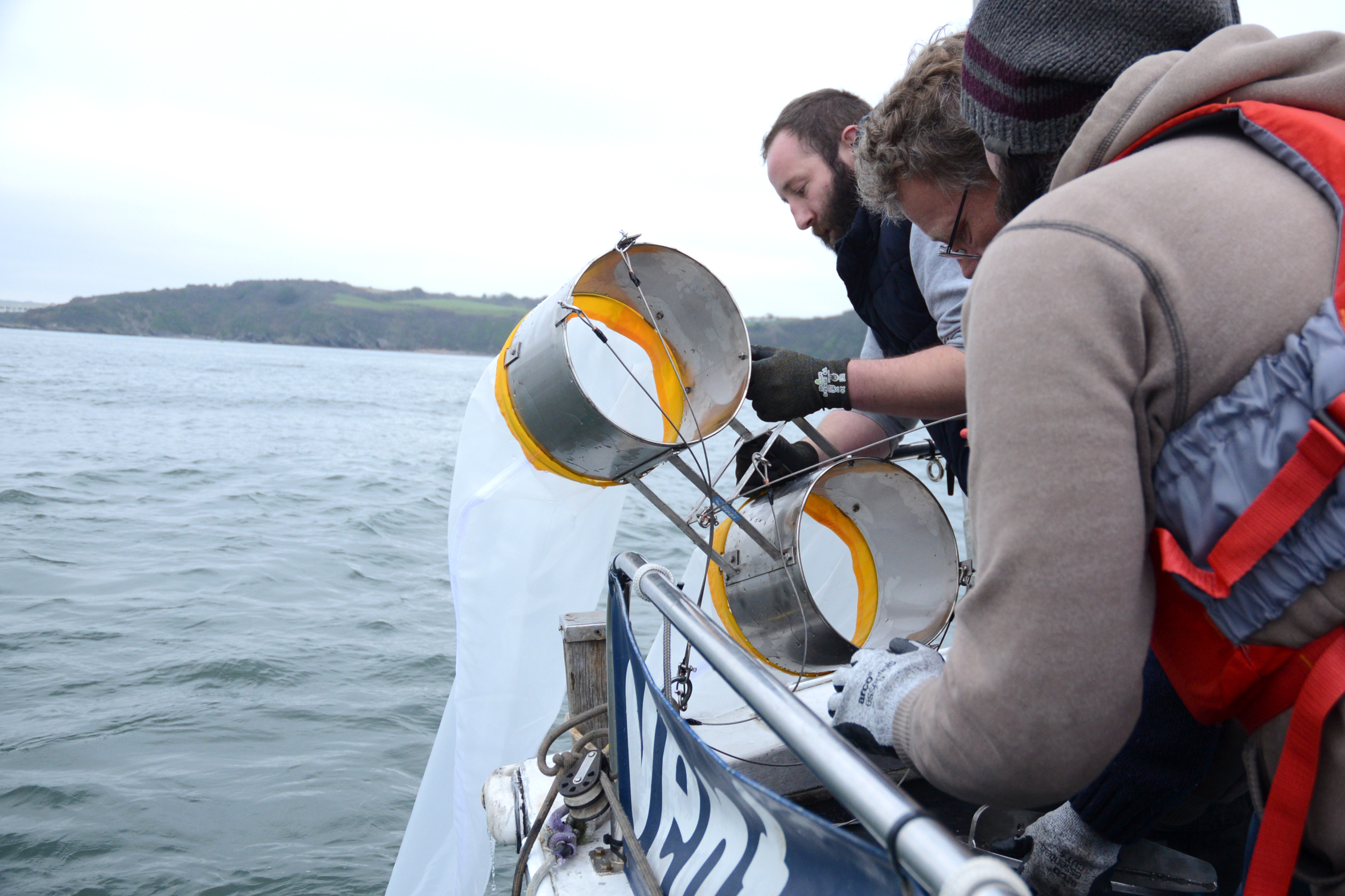
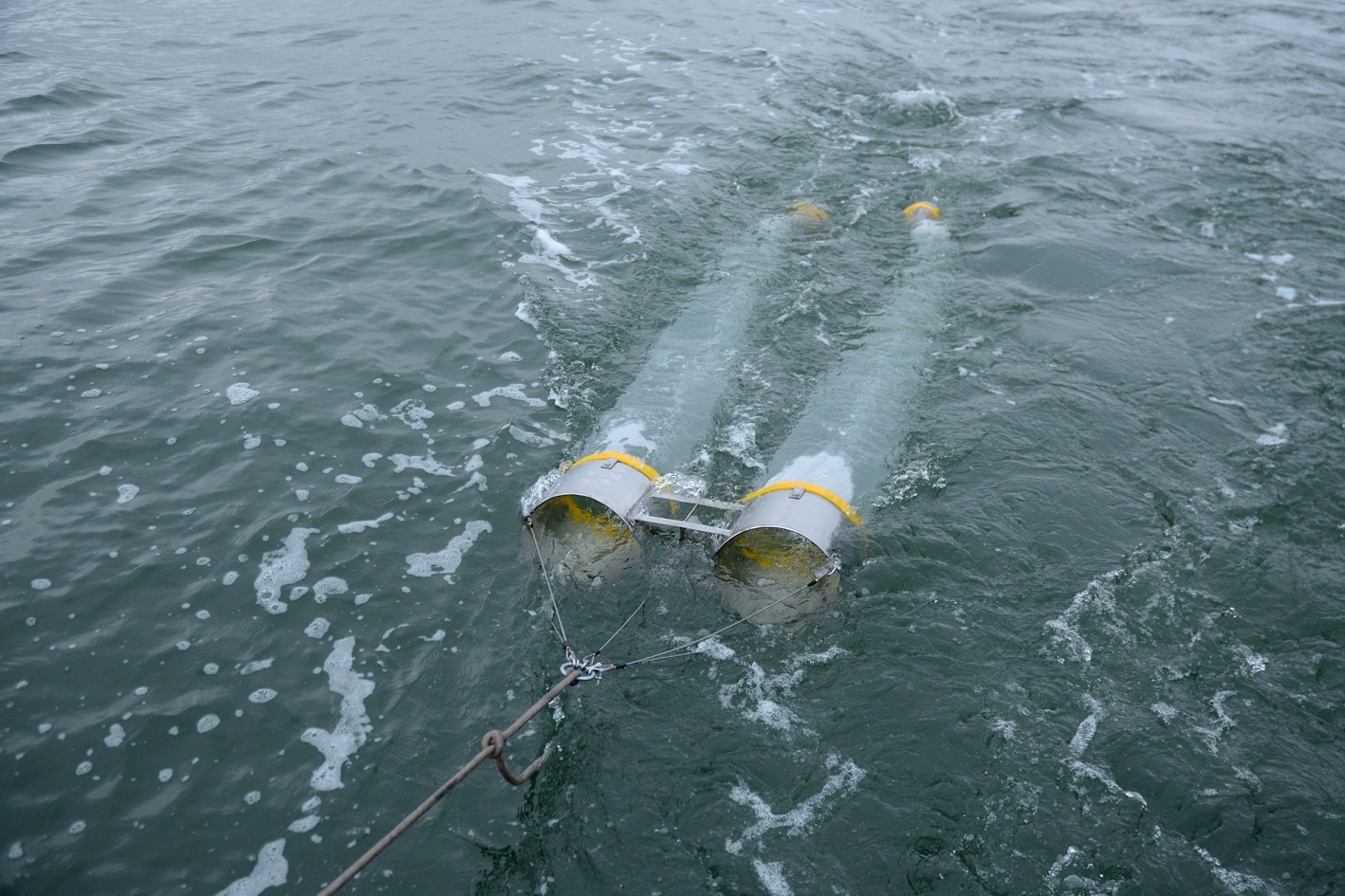
The first design tested was the Bongo Net. The net performed very well. The sampling depth was easily adjusted by modulating the speed of the boat and the depressor vane kept the net level in the water. In our tests the Bongo Net performed best at towing speeds of between two and four knots.
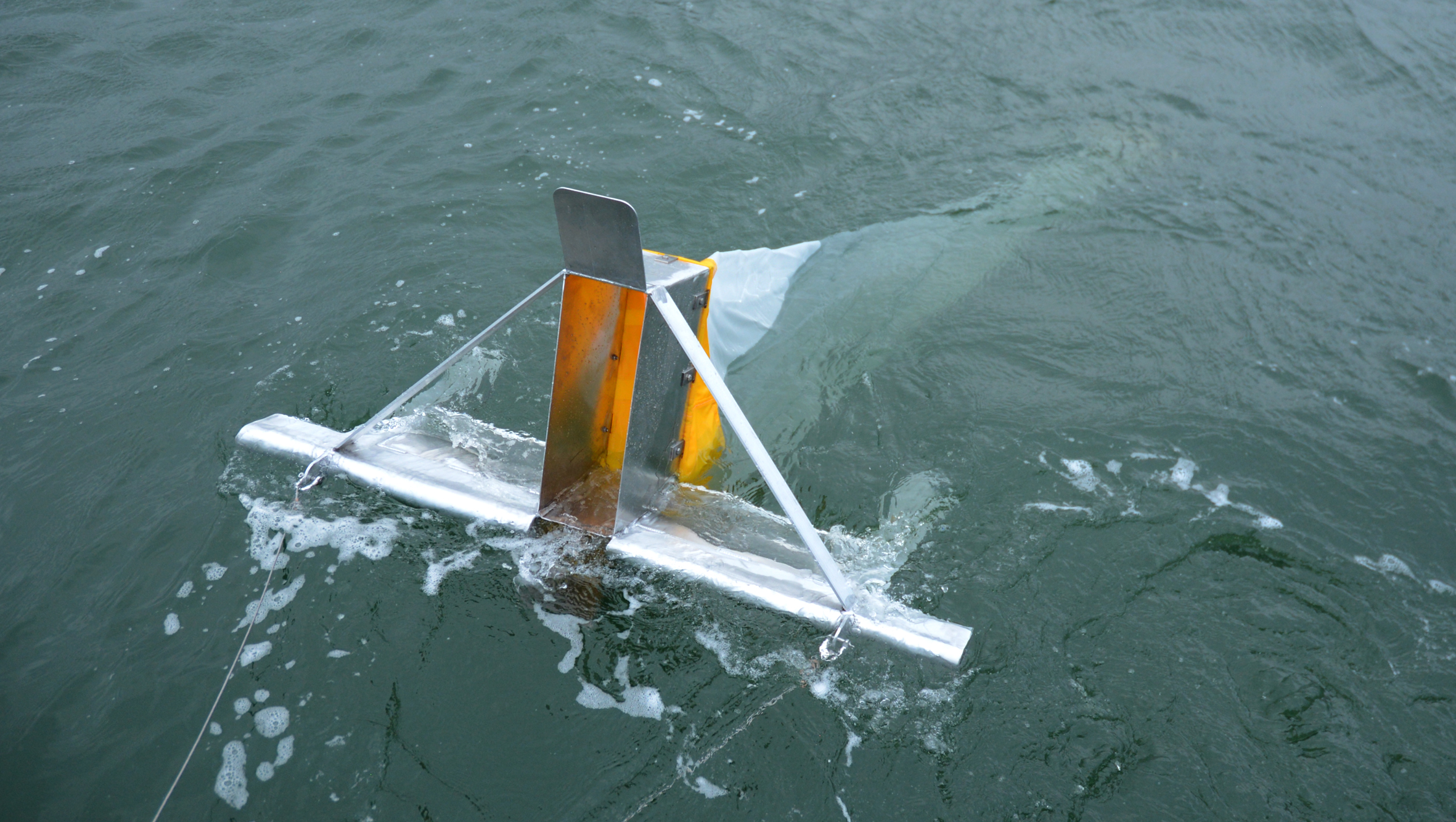
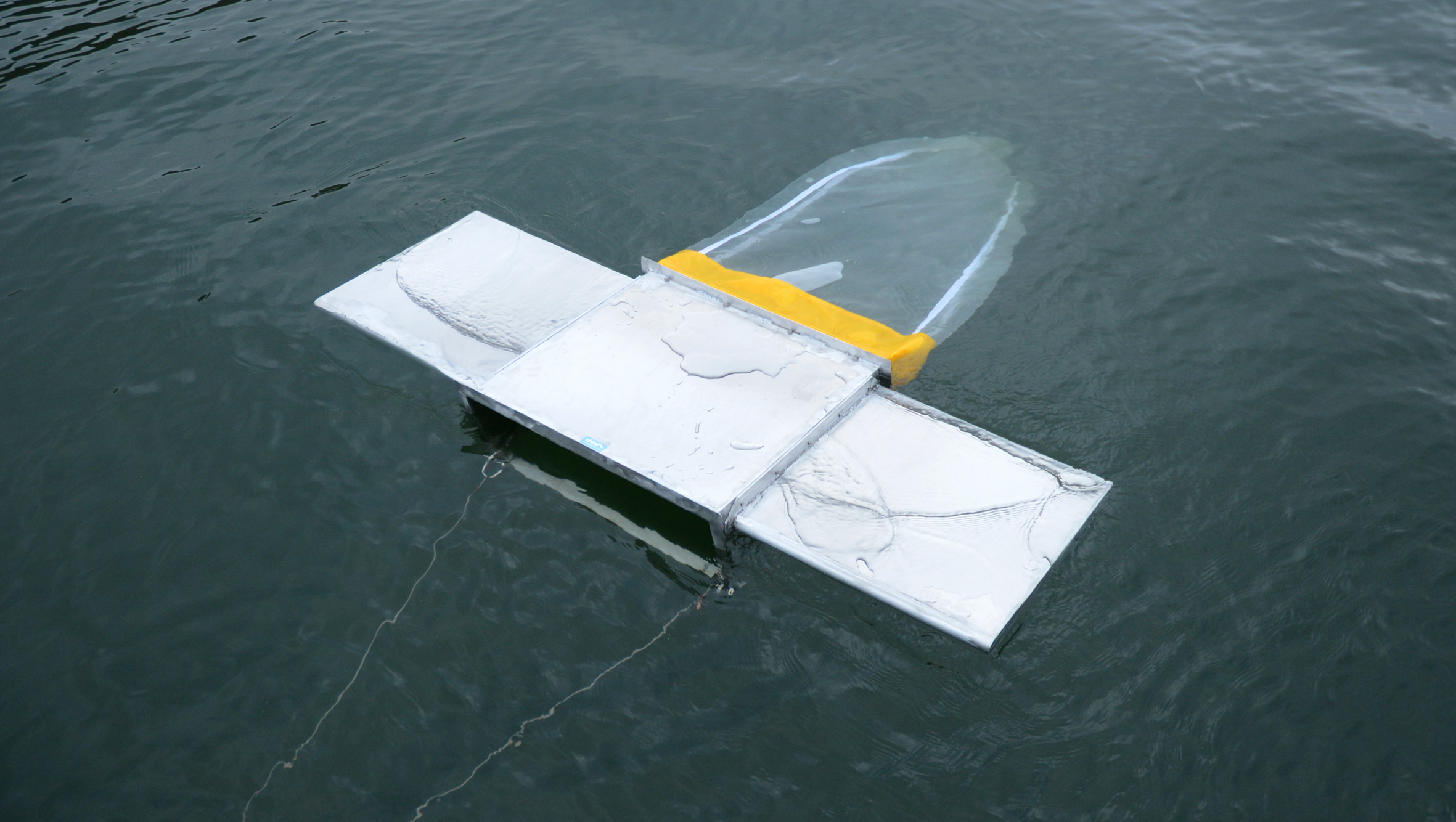
Next, we tested our inshore Manta Trawl Net. The Manta Trawl Net is designed for microplastics sampling in calm inshore waters and on rivers and lakes. The Manta Trawl Net has a post box shaped aperture and twin ‘wings’ (manta wings) mounted onto the frame which serve to lift the net frame so that samples are efficiently collected at the top of the water column. This net was tested at a variety of towing speeds and performed best at speeds of between two and four knots.
The last net to be tested was The Avani Trawl Net. The Avani Trawl Net is designed for offshore microplastics sampling. The vertical orientation of the aperture of the net ensures that samples are collected from the top few centimetres of the water’s surface in slight to moderate swell conditions. To test this net, we ventured out beyond the breakwater where the swell was approximately 1-2m. The net stood upright and performed as expected at speeds of between four and eight knots when exposed to smaller waves of approximately one metre in height. When approaching larger waves, we found that the net had a slight tendency to cut into the side of the wave at speeds of between six and eight knots and that the net performed best at slightly lower speeds.